
TALLAHASSEE, Fla. – Following the devastating attack in Orlando over the weekend, the Florida Hospice and Palliative Care Association (FHPCA) encourages communities across the state of Florida to contact their local hospice provider for grief and bereavement services.
Hospices offer bereavement counseling, workshops, support groups and a compassionate environment for people who need help in times of grief. These services are open to community members even if their loved-one did not die in hospice. Those interested can visit lethospicehelp.org, a website offering answers to questions about grief and provides a searchable hospice provider directory.
FHPCA President & CEO Paul Ledford said, “This tragic incident affects so many people in Florida and across our country. We want everyone affected by this situation to know our hospice providers are available to provide grief and bereavement support during this difficult time. It is important to come together and let families know they are not alone, and our thoughts and prayers are with Orlando, the LGBTQ community, and all those touched by the events of Sunday morning.”
Local hospice programs are ready and able to help those dealing with the loss of a loved one or struggling to understand the events that transpired over the weekend in Orlando. For more information on how to access this type of support, visit Let Hospice Help’s website at lethospicehelp.org.
###
Media Contact: Evelyn Hernandez, Marketing & PR Specialist
evelyn@nullfloridahospices.org | 850-878-2632
About Florida Hospice & Palliative Care Association:
Florida Hospice & Palliative Care Association (FHPCA) is a not-for-profit, IRS Section 501(c)(3) organization representing hospice patients and families, hospice professionals and hospice providers. FHPCA strives to assure excellence in, and expand access to, hospice and palliative care, and advocates for the needs of those in the final stages of life.
2000 Apalachee Parkway, Suite 200, Tallahassee, Florida 32301
Telephone: 850.878.2632
Hospice Helpline: 800.282.6560
Charles Suggs lII, MD Medical Director of Gulfside Hospice & Pasco Palliative Care
So you have heard about palliative care, but are unsure of what it is. Palliative care (pronounced pal-lee-uh-tiv) is specialized medical care for people with serious and chronic illnesses. It focuses on providing patients with relief from the symptoms, pain, and stress of a serious illness—whatever the diagnosis. The goal is to improve quality of life for both the patient and the family.
Palliative care is provided by a team of doctors, nurses and other specialists who work together with a patient’s other doctors to provide an extra layer of support. It is appropriate at any age and at any stage in a serious illness. Plus, it can be provided along with curative treatment.
If you are considering looking into palliative care but need to know more, below is some information that can help you to decide if palliative care is right for you. There are many benefits of palliative care (comfort care) for both patients and their families.
Pain and symptom control: The palliative care team identifies sources of pain and discomfort. These may include problems with breathing, fatigue, depression, bowel/bladder or insomnia. The team will provide treatments that can offer relief, including medication, along with massage therapy or relaxation techniques.
Communication and coordination: Palliative care teams are extremely good communicators. They put great importance on communication between you, your family and your doctors in order to ensure that your needs are fully met. These include establishing goals for your care, help with decision-making and coordination of care. Palliative care teams also can help families develop advance care plans, including healthcare directives.
Emotional support: Palliative care focuses on the entire person, not just the illness. The team members caring for you will address any social, psychological, emotional or spiritual needs. During the initial consult, the palliative care team member goalis improve patient satisfaction.
Family/caregiver support: Caregivers bear a great deal of stress too, so the palliative care team supports them as well. This focused attention helps ease some of the strain and can help you with your decision-making.
How do I know if palliative care is right for me? Palliative care may be right for you if you are experiencing pain, stress and other symptoms due to a serious illness. Serious illnesses include but are not limited to: cancer, cardiac disease, respiratory disease, kidney failure, Alzheimer’s, AIDS, amyotrophic lateral sclerosis (ALS) and multiple sclerosis. Palliative care is appropriate at any stage of a serious illness and you can get it along with treatment meant to cure you.
Other signs that palliative care may be helpful for you include: frequent ER visits or hospital admissions for the same condition, functional or cognitive decline, weight loss, increased safety and behavioral concerns, caregiver stress, chronic home oxygen use or limited social and home resources and service support.
Will my insurance cover palliative care? Most insurance plans cover all or part of the palliative care treatment you receive, just as with other hospital and medical services. This is also true of Medicare and Medicaid. If costs concern you, a social worker or financial consultant from the palliative care team can help you with payment options.
Do I have to give up my own doctor? The palliative care team provides an extra layer of support and works in partnership with your primary doctor. Your primary doctor will continue to direct your care and play an active role in your treatment.
Can I have curative treatment together with palliative care? Absolutely. Your treatment choices are up to you. You can get palliative care at the same time as treatment meant to cure you.
Where is palliative care provided? Palliative care can be provided in a number of places. These include hospitals, outpatient clinics, long-term-care facilities or home.

By Ana Sanchez, M.D., Community Hospice of Northeast Florida
When it’s hard to breathe, it’s difficult to think of anything else.
Floridians who live with Chronic Obstructive Pulmonary Disease, or COPD, may know that all too well, especially this time of year.
As temperatures across our state take a momentary wintery dip, COPD’s signature symptoms—shortness of breath, coughing and wheezing induced by emphysema or chronic bronchitis—will flare up for some in proportion to the chill. Likewise, our steamy, humid summers also can prove dangerous for those who live with this incurable disease. These symptom manifestations will be unique to each person.
How many Floridians ride this climatological roller coaster?
The Centers for Disease Control and Prevention’s Behavior Risk Surveillance Survey pegs Florida’s COPD prevalence rate at 7.1 percent1. That’s nearly 1.4 million Floridians whose daily activities, relationships and emotions are impacted by this chronic condition, America’s third leading cause of death, with symptoms that can endure for years or decades.
When do these individuals catch a break, or in this context, a breath?
As a hospice physician, it is my goal to affect the best life possible for the patients and families I serve. While there are people living with COPD whose symptoms will qualify them for a hospice admission, quality of life can be a challenge well before then, too, starting at initial diagnosis. You may encounter these individuals regularly, as patients, clients or even caregivers to others.
How can we help them live better?
Customized medication regimens and action plans coordinated by a medical professional are the first steps to reducing exacerbations and restoring clear breathing. Bronchodilators, anti-inflammatories, combination medications, antibiotics and vaccines may lessen symptoms and help avoid infections such as the flu or pneumonia. Because of the complexity of these custom regimens, elders’ caregivers should be well versed in medication management.
Some COPD patients also may benefit from supplemental oxygen, an adjunct therapy that can help people experience a wider range of recreational activities by improving their mobility. Available through a physician’s prescription, today’s oxygen delivery technology makes getting around a much easier proposition, through the use of lightweight, portable concentrators.
Pulmonary rehabilitation, clinical trials and surgical interventions also can be viable options for patients who qualify for them.
Another intervention that can help is palliative care. This medical specialty helps relieve the symptoms, pain and stress of a serious, chronic illness. It also gives patients and caregivers the opportunity to better understand their condition, complete advance care plans, and develop a road map for future care decisions. While hospice is a specific type of palliative care reserved for people who have a time-limited life expectancy, as some COPD patients surely will, palliative care is appropriate at any stage following diagnosis. Hospitals and hospice providers frequently offer these services, for which Medicare, Medicaid and private insurance may cover some costs.
Hospice care may be an option to relieve pain and restore comfort when the disease reaches end-stage status, at a life expectancy of 12 months or less. Some hospice providers have developed unique clinical protocols for COPD, with dedicated respiratory therapists and comfort kits containing key medications to reduce exacerbations and bring quick symptom relief.
Still other hospice providers, including several in Florida, are participating in a five-year Centers for Medicare & Medicaid Services Innovation Center research effort that launched in January, the Medicare Care Choices Model (MCCM). For Medicare beneficiaries who meet CMS criteria, including hospice eligibility, the MCCM offers hospice-like supportive care to patients concurrently with curative therapies as coordinated by their primary care providers. COPD is one of four terminal diagnoses accepted through the model.
As with most chronic illnesses, COPD can drastically affect the lives of those who live with it, and those of their caregivers. Support resources are plentiful, however, and should be tapped to prevent caregiver burnout and create a lifeline to people and institutions that can help. Groups such as the American Lung Association offer telephone help lines, in-person support groups like the Better Breathers Club in area hospitals, and online communities. The National Institutes of Health’s Breathe Better Network members offer COPD public outreach and education, and the Florida COPD Coalition is another resource for provider education events and patient support groups.
And let’s not forget about the root cause of this affliction for so many, cigarette smoking, which is a factor in up to eight out of every 10 COPD-related deaths2. Cessation programs are readily available through employers, houses of worship and online communities.
As health leaders and elder advocates, we all must play a role in helping those in our care live their best lives possible. With education and early intervention, we can make sure our neighbors with COPD breathe easier all year long.
Ana Sanchez, M.D. is chief medical director for hospice services at Community Hospice of Northeast Florida in Jacksonville.
Community Hospice of Northeast Florida strives to improve the quality of life for patients and families, and to be the compassionate guide for end-of-life care in their community. Find out more at http://communityhospice.com.
References:


It’s that time again! Time to select those outstanding hospice professionals you would like to see nominated for the “Awards of Excellence“. For those who might not know, these awards are a unique opportunity for outstanding individuals to get statewide recognition for consistent dedication to teamwork, innovation and more in hospice. It’s a celebration of excellence for the delivery of hospice and palliative care. You are free to make more than one nomination for those you feel compelled to, in fact we encourage it. The awards are open to employees or volunteers who are members of FHPCA and in the Florida hospice community.
Nominations are judged by a selection committee composed of leaders within the hospice industry. The selection committee is looking for examples and specific details that demonstrate how nominees have exceeded expectations and, by their actions, made those around them better. Nominees must be an FHPCA member in good standing at the time of nomination and at the time of the award presentation.
Individual Awards
 This award recognizes an individual in any role within an organization who has consistently demonstrated leadership in forging the collaboration that makes hospice unique. This individual seeks excellence not only in his/her field, but also in cooperation with other disciplines. He/she fosters collaboration and brings teams together to the betterment of his/her organization. This award celebrates the spirit of collaboration within a hospice organization. As hospice is the sum of many parts working together to care for patients and families, this award honors individuals who lead across disciplines and foster teamwork within their sphere of influence.For more information on nomination rules and requirements, click HERE.
Program Awards
 Is the Award of Excellence to the group that makes collaboration happen. This award recognizes a group of people in any role or configuration that has consistently demonstrated the ideals of collaboration and teamwork in working toward a goal or mission. This group not only seeks excellence within itself, but also inspires excellence and collaboration throughout the hospice environment. As hospice is the sum of many parts working together to care for patients and families, this award champions the spirit of teamwork and honors teams who make hospice work better and more effectively. For more information on nomination rules and requirements, click HERE.
 The Breakthrough Award recognizes an individual or team who, through their efforts to research and implement new ideas, has improved hospice care. Whether piloting a new program, streamlining a process or discovering a better way to provide a service, the recipient of this award advances the mission of hospice and provides a path for others to follow. For more information on nomination rules and requirements, click HERE.
Each of the 2016 award winners will receive a cash prize in addition to a recognition plaque. The winning individuals and programs will be celebrated by their peers from around the state at the annual Awards of Excellence luncheon held on June 2nd in conjunction with FHPCA’s non-clinical conference, Hospice Works. Winners will also be featured state-wide in FHPCA’s newsletter, website, and social media outlets, as well as a press release sent to media professionals across the state.
This is a quick an easy process. Press the nomination below to get started! We encourage you not to stop at one nomination, especially if you feel that multiple people have achieved excellence in the above categories. There are a few nomination submission requirements so be sure to read carefully through those and follow the instructions.

When Is the Ceremony?
The ceremony to be held Thursday, June 2nd at the Renaissance Orlando at SeaWorld in conjunction with FHPCA’s Hospice Works Forum.
What Is the Deadline to Submit Nominations?
Deadline to submit entries is MONDAY, MARCH 21st.
For more information, visit our Forum Annual Conference Website.
 This month the New York Times contributor Jane Hoffman delves into the centuries old curiosity surrounding dreams and visions for patients at the end of their life. It’s an area of interest that has been documented for thousands of years, even showing up in prominent 19th-century literature. The fascination with these particular dreams has led to studies conducted by nurses, neurobiologists and psychologists.
The following article follows a team of medical professionals headed by Dr. Christopher Kerr from Hospice Buffalo while they embark upon understanding what these dreams might mean. Dr. Kerr and his team commenced the study with the participation of 59 terminally ill patients receiving acute care at Hospice Buffalo. The results of the study show some surprising trends yet, still led to more questions.
The actual study that was published in the Journal of Palliative Medicine can be found HERE.
To read this eye opening article, continue HERE.
For questions about hospice, advanced directives and grief counseling, visit lethospicehelp.org or click the image below:

 Our 2016 “Hospice Works” Forum registration is now open! This is an end-of-life conference designed for administrative hospice professionals working in:
Full Conference Rate (June 2 & 3) – $370.00
Thursday Only Rate (June 2) – $215.00
Friday Only Rate (June 3) – $179.00 REGISTER ONLINE
(for individuals)
(for groups)
Please Note: Registrations received or changed after 5/20/16 will incur a $50 charge.


By VNA of the Treasure Coast
If you had to make a healthcare decision for a seriously-ill loved one, would you be prepared to do so? Could you tell a doctor, decisively, how much information to share with your loved one about her/his condition? Would you know whether or not your loved one wanted aggressive care to prolong her/his life? Consider the following fact: There is a clear contrast between our desire to discuss end-of life care and our willingness to actually do so. In fact, 90% of people say that talking with their loved ones about end-of-life care is important, but only 27% have actually done so. While 80% of people say that if seriously ill, they would want to talk to their doctor about end-of-life care, but only 7% report having had an end-of-life conversation with their doctor.
Fortunately, there is a straightforward solution to this disconnect — a simple plan exists to help facilitate such conversations in your community through a grassroots effort called The Conversation Project. An initiative started in 2010 by Pulitzer Prize-winning author Ellen Goodman and a group of concerned colleagues who wanted to share stories of “good deaths” and “bad deaths” within their own circle of loved ones, The Conversation Project has now spread throughout communities across the United States, encouraging people at all stages of life to begin thinking about end-of-life conversations. At the core of the concept is a “Conversation Starter Kit” to help people think through their desires for end-of-life care, put those thoughts in writing and make their wishes known to family, friends and healthcare providers.

VNA of the Treasure Coast, located in Indian River County, forged a plan to implement the grassroots effort in their own community this past March. The Conversation Project in Indian River County launched during spring 2015. Collaboration with community partners was vitally important to reach the diverse population making up the county. Fortunately, the VNA received positive feedback and letters of support from many community organizations, and in March of 2015, the organization held a Conversation Project kickoff meeting, which was attended by forty local health and human service providers and community advocates the VNA hopes will champion the cause.
The idea for bringing The Conversation Project to Indian River County came from VNA President & CEO Mary Linn Hamilton, who has seen the project work successfully in other states. “Having caring, open, compassionate discussions about end-of-life issues is the key to ensuring your wishes are honored,” said Mary Linn, “but starting those conversations can be very difficult. We’re dedicated to helping our friends and neighbors begin their own conversations so they can make their wishes known.”
Advanced directives are not only for those who are close to receiving end-of-life care. Children, parents, sisters, brothers, wives and husbands of all ages should have an idea of the care they would like to receive at the end of their life, expected or not. Ideally, everyone should be able to rest assured that someone close to them is aware of their wishes when the time to make end-of-life decisions comes. Have you had a conversation with those closest to you about your end-of-life wishes? If not, what is stopping you? For more tips and more information on how to begin end-of-life conversations with your loved ones, contact your local hospice organization.

The VNA was founded over thirty-five years ago with the distinct mission of fulfilling the need to provide homecare for local residents of Indian River County.
Visit them online at www.vnatc.com
Brother At Rest, the painting created at the 2015 FHPCA Forum Conference, spent the past two weeks at Gulfside Hospice where it spent time among seniors, patients and families.
Gulfside Hospice took the painting to a few local senior residence facilities where they displayed the painting and gave a group of residents their own canvas so that they could be inspired to paint what represented hospice or being at peace and rest to them.
 It was a great turn out each time and all the residents seemed to love it – it was a unique activity and a soft way for our representatives to bring up the topic of hospice.
When the painting was not touring the county’s facilities, it was on display at the Gulfside Centers for Hospice Care so that staff, patients and families could view it.
You can purchase a 8×10, limited edition print of Brother At Rest online HERE. All proceeds go to the artist and towards FHPCA’s mission to assure access and excellence to those in the final phases of life.
Brother At Rest has now moved to Big Bend Hospice in Tallahassee! Stay tuned and see how it spends it time in the Big Bend area.


“As a state organization working with multiple hospice programs, we encourage people to learn about hospice and palliative care before they ever need it—when they are not emotional and trying to process the many aspects of an illness,” explained Susan de Cuba, chairman, Florida Hospice and Palliative Care Association and president and CEO of Treasure Coast Hospice. “We want to help them learn early about what options are out there, so that when the time comes, they can access what they need.”
In addition to educating patients about the many benefits of hospice, the state association also provides resources to hospice providers, and works to stay on top of regulatory issues and state and federal requirements. According to de Cuba, one of the most pressing concerns at present is the change to the routine home care rate (RHC), which will take place on January 1, 2016.
“As part of the Affordable Care Act, we will soon see a change in how we get paid,” she explained. “There are currently four different levels of care that are each paid at a different rate, and by far, the most predominant one is the routine home care rate, which makes up 98 percent of all patient days in Florida.”
Beginning next year, the RHC will change to a two-tiered rate, with a higher rate paid for the first 60 days of a patient’s care, and a lower rate for days 61 and after. A service intensity add-on (SIA) payment will also be made for visits conducted by a registered nurse and/or social worker for up to four hours a day during the last seven days of a hospice patient’s life.
“Most hospice providers are pleased with this change because it recognizes the varying levels of intensity during a patient’s stay and is geared to be budget neutral in the larger scheme of things,” said de Cuba. “Patients need and use more services when they first come into the hospice program, and then do not use the services as intensively until they are nearing the end, when they again require more services. This will even out how hospice providers are paid, depending on the intensity level of the services we provide.”
While hospice providers are looking forward to the change, de Cuba believes that there will still be some kinks to work out. “The biggest challenge in Florida is the Medicaid system because it partners with many managed care companies that each have their own systems,” she explained. “These systems must be set up to make the change to the two-tiered rates by January 1, which is a very aggressive deadline.”
“Of the total reimbursement dollars Florida hospices receive, approximately 86 percent is provided by Medicare and 7.4 percent by Medicaid and the rest is through other types of insurance,” she added. “Even though Medicaid dollars make up a smaller percentage, it can still cause a disruption in the reimbursement process.”
 Florida Hospice & Palliative Care Association (FHPCA) is pleased to announce Let Hospice Help, a new initiative to increase public awareness of hospice care in Florida.
Paul Ledford, President & CEO of FHPCA, says, “We realize that there is a lot of information out there about hospice, but oftentimes sifting through that information can be overwhelming for a family member trying to understand hospice for the first time. This campaign is simple and clean, and gets patients and families to information quickly and easily.”
The Let Hospice Help campaign aims to give the basics of what a patient or a family member needs to know about hospice, but also to highlight some of the lesser know benefits of hospice care, such as grief and bereavement support.
For more information about Let Hospice Help, visit the website at lethospicehelp.org.

 TALLAHASSEE, FL – In honor of the special kind of care provided by hospice for those at the end oflife, Governor Rick Scott has declared this November as Florida Hospice and Palliative Care Month.
November is an opportunity to raise awareness about hospice to patients and families who could benefit from the many services available. Hospice services include pain management, physical therapy, respite care, grief and bereavement therapy for loved ones, among many others.
Hospice services are available wherever the patient calls home, and works to empower the patient’s family by providing the needed support services. Hospice regards every day as a gift, and strives to help patient’s achieve the best possible quality life.
“An important message we try to get out is that hospice cares about life. If a patient has a life-limiting illness, hospice wants to help make every day of that patient’s life one of quality and substance. This care philosophy not only benefits the patient, but the family and loved ones as well,” says Paul Ledford, President & CEO of Florida Hospice & Palliative Care Association (FHPCA).
Last year, almost 124,000 patients throughout Florida experienced the care and comfort provided by hospice. Even though that may seem like a lot of lives being touched, there are many more Floridians that need to know the benefits that hospice can provide them. Too often patients enroll in hospice within a week of their passing which is not enough time for them to truly benefit from the available services, especially since the hospice benefit is available during the last 6 months of life.
Learn more by visiting lethospicehelp.org, FHPCA’s new online resource with answers to your questions about life-limiting illness, caregiver support, grief and hospice.

Read Gov. Rick Scott’s proclamation at http://bit.ly/HMproclamation
Whether you’re saving up for a large purchase or training for a triathlon, you have to envision your goals well in advance, and then take small steps to reach them. To be successful, you need to have a plan.
But when it comes to planning for future health care needs, especially how we want to live if faced with a serious or life-limiting illness, statistics show Americans are not nearly as inclined to create a plan and put their wishes in writing. Nationwide adoption of advance care plans, which may include documents such as living wills and health care surrogate designations, sits between 16 and 30 percent.
The conversation itself is a challenge for most people to think about, on a topic very few of us want to ponder at the dinner table.
When health care providers and loved ones understand the kind of care you want or don’t want, they’re much more likely to follow your wishes, especially in situations where you can’t speak for yourself. Advance care plans give health providers tools to create a plan of care that meets both treatment and quality-of-life goals, and family members can be confident knowing they are honoring their loved one’s wishes.

Jamie Buller, LCSW, ACHP-SW, director of advance care planning, Community Hospice of Northeast Florida
Despite these proven benefits, what’s behind the reluctance to plan?
Nearly 25 years ago, Gundersen Health System in La Crosse, Wis. began a journey to find an answer and change the way people approach planning. Gundersen served as catalyst for the creation of an integrated systems approach, across its community’s major health organizations, to establish advance care planning as the routine standard of care for all. They did it with trained staff guiding conversations—not just at one point in time, but over years and decades, spanning life’s milestones and transitions.
More than a decade after launching their program, Respecting Choices®, Gundersen researchers observed that 90 percent of La Crosse-area residents who died had an advance directive. Ninety-nine percent of these residents had it in their medical record at the time of death1. Subsequently, the evidence-based Respecting Choices model has spread to more than 80 communities and organizations nationwide, with several similar initiatives under way overseas.
Now that successful model has come to the Sunshine State through the efforts of a Jacksonville-based palliative and hospice care provider.
Community Hospice of Northeast Florida established Honoring Choices Florida® in 2013, to encourage people to discuss, decide and document which treatments they would choose in the event of chronic or life-limiting illness or injury. The program is a community-based collaborative, in partnership with six major First Coast health systems and other community-based organizations, which have implemented the planning process with targeted groups such as patients and employees.
Like Respecting Choices, the program uses trained facilitators—more than 130 health care workers and volunteers—to navigate often challenging conversations and document wishes in a written, portable plan. A plan that lives and changes, as its owners do.
These conversations help individuals and families better understand and make informed decisions about use of life-sustaining treatments, such as CPR, mechanical ventilation and antibiotics. They also give people a chance to identify health care surrogates, individuals who can speak on their behalf and advocate for their wishes.
“Honoring Choices Florida sheds light on a philosophy of care that many do not consider until they are already in the midst of a health crisis,” said Jamie Buller, director of advance care planning at Community Hospice. “Creating the opportunity to have the advance care planning conversation is an investment in you and your loved ones’ future quality of life.”
Lawmakers in Washington also recognize the value of these conversations. In June, Senators Mark Warner (D-Va.) and Johnny Isakson (R-Ga.) proposed the creation of a Medicare benefit, Planning Services, to encourage health providers to facilitate care planning discussions for people with advanced illness. Provisions of their bill, the Care Planning Act of 2015, also would provide funding to increase public awareness of the importance of advance care planning.
As Congress and Medicare work together to encourage Americans to create a plan, Buller said Honoring Choices Florida should serve as a case study for similar efforts, right here in Florida.
“We believe that Northeast Florida can be a statewide model for advance care planning and end-of-life care,” Buller said. “As we continue to expand the support services behind Honoring Choices Florida, our hope is that more individuals and families will understand the positive effect these conversations can have on quality of life. It is one of the greatest acts of caring someone can demonstrate for their loved ones.”
Learn more about Honoring Choices Florida at HonoringChoicesFL.com.

Reference:
1 Hammes, B. J., Rooney, B. L. and Gundrum, J. D. (2010), A Comparative, Retrospective, Observational Study of the Prevalence, Availability, and Specificity of Advance Care Plans in a County that Implemented an Advance Care Planning Microsystem. Journal of the American Geriatrics Society, 58: 1249–1255. doi: 10.1111/j.1532-5415.2010.02956.x
Brian Logue was first introduced to hospice care when the wife of his friend fell ill. Impressed and inspired by the care she received in her last months under Treasure Coast Hospice, he began his selfless quest to become a patient volunteer. Now serving in that capacity, Brian describes the great privilege he feels, “To be with somebody at the end of their life and be able to help them in some way when you know they probably wouldn’t ask or couldn’t ask… I can’t even explain the feeling.”
This award winning video portrays both the challenges and rewards of hospice volunteering. It presents surprising revelations for those who might want to help but fear what it might require, and reveals potential volunteer opportunities many might not expect. Brian describes his volunteering as, “The best thing I’ve ever done with my spare time”.
Brian’s story and dedication to hospice volunteering makes him a deserving winner of the Hospice Story Award.
2015 Awards of Excellence winner, Brian Logue from Treasure Coast Hospice. A touching and educational film titled, “Volunteer Story”.
About this Award:
The Hospice Story Award aims recognize a person or organization that best captures his or her most meaningful hospice experience with an original or creative work. See all of the 2015 Awards of Excellence winners by CLICKING HERE
Attendees at our 2015 clinical conference, “Painting the Picture: Messaging Metrics & Mission,” had a unique opportunity to witness artists such as poets, dancers, and painters perform their crafts during the “The Art of Grief” Live Art Showcase. One of those artists was a painter name Jacob J. Neagle, who with his canvas, oil paints, and easel painted a stunning piece of art in front of the live audience.

After the showcase ended, Neagle’s painting was revealed at the Cocktail Social Hour, held directly after the event.

The finished painting, titled Brother At Rest, was of a large tree, in a beautiful field full of grass and a young man in the middle. Neagle recounted that his inspiration behind the painting was his brother Joshua, who last October at the age of 29, passed from brain cancer. In his final weeks, Neagle was able to live beside his brother and experience firsthand the compassion and care of hospice.

Not wanting to keep this inspiring piece of art to ourselves, we began an Art Roadshow and sent Brother At Rest on a road trip to hospice providers around the state. Hospices hosting the art will display the painting in various places such as their administrative office, inpatient or residential unit. Art is powerful and motivates us to look deep inside ourselves. We hope that Brother At Rest helps hospice providers connect to the tremendous work they do everyday.
Where is it Now?
Treasure Coast Hospice kicked off the Art Roadshow by housing the painting in their facility. Now, Brother At Rest has made its way to Hospice of St. Francis where it will stay for two weeks.

Treasure Coast Hospice staff holding Brother At Rest

This year’s Forum attendees enjoyed a free copy of HospiScript’s Palliative Care Consultant Book. Now everyone can enjoy this comprehensive palliative care guide for 25% off the $69.99 ticket price.
Use discount code 3H2XGAEZ – Discount expires 12/9/15

ABOUT THE BOOK: This palliative care guide provides practical recommendations for palliative symptom management in adult patients, with the aim to equip all practitioners who care for patients with life limiting conditions.
This guide is both a resource for support of current practice and a quick reference guide. For educators and novice practitioners, this book may be used as a training guide to address the basics of hospice and palliative care and assist learners in developing a comprehensive plan for symptom management.


Orlando, FL. – On May 21st, in conjunction with the 30th Annual Forum “Painting the Picture: Messaging Metrics & Mission”, Florida Hospice & Palliative Care Association (FHPCA) announced the 2015 winners of the annual Awards of Excellence in Hospice and Palliative Care.
The Awards of Excellence program was created to identify, recognize and showcase the outstanding and innovative work of individual staff members and hospice programs throughout the state of Florida. This award program aims to provide a venue for hospice professionals to honor their peers and highlight the very best hospice has to offer. FHPCA is pleased to announce the 2015 winners:
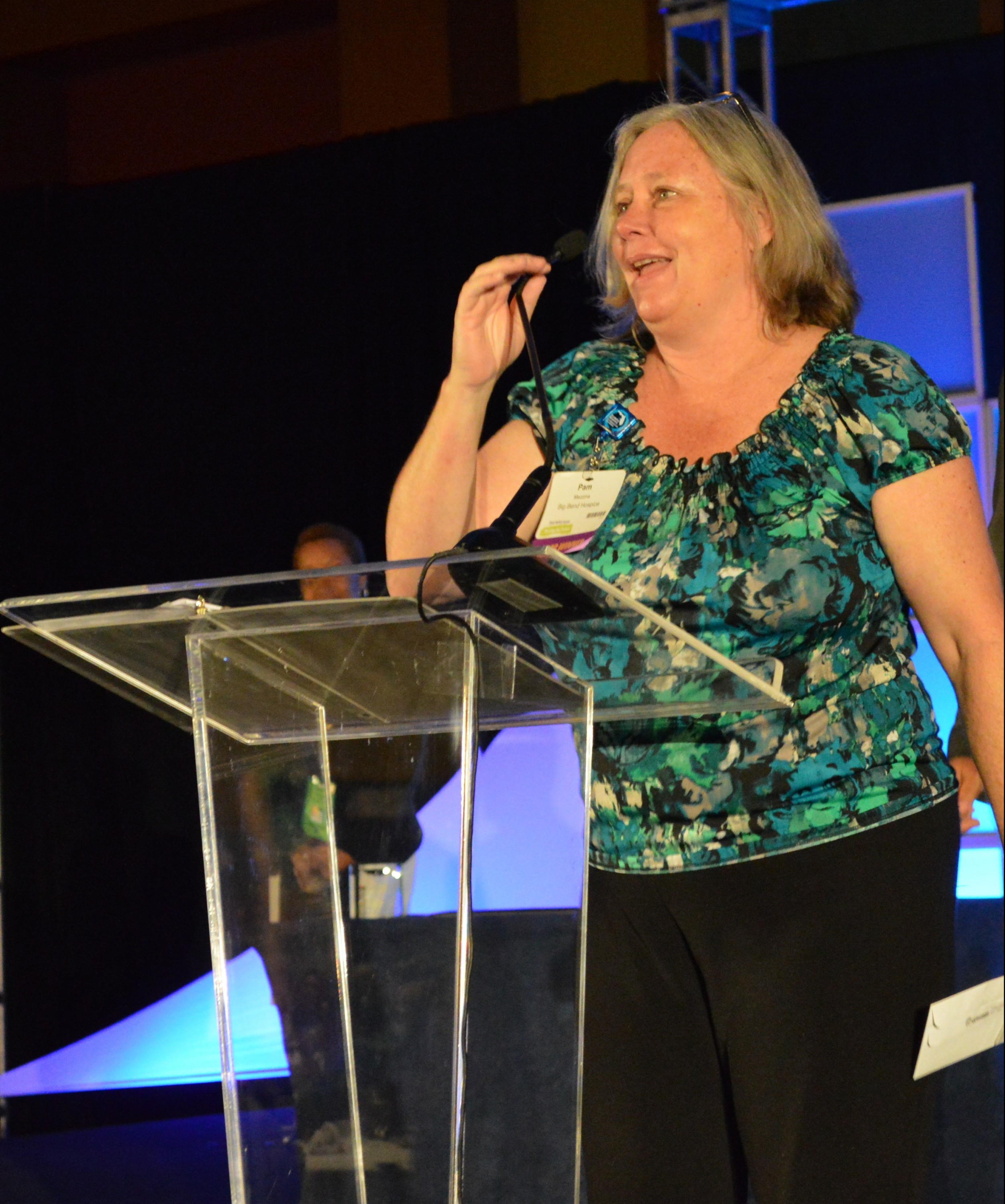
The Catalyst Award recognizes an individual in any role within an organization who has consistently demonstrated leadership in forging the collaboration that makes hospice unique.
Pam Mezzina has worked with the bereaved, including bereaved children, since 1995 at Big Bend Hospice (BBH). She currently serves as the BBH Bereavement services Manager. The BBH bereavement services department provided services to 3,165 bereaved individuals in 2013. She helped develop the Big Bend Hospice Caring Tree program, a unique bereavement model for children and adolescents. In 2009 Mrs. Mezzina founded the Trauma Grief & Loss Coalition (TGLC) for youth. This coalition now involves at least 20 agencies which meet at coalition meetings quarterly. At each meeting a venue for ongoing dialogue is provided and participants share current best practices and are given opportunities to debrief following recent challenges. Pam embodies the ideal of excellent teamwork; she understands that no one person or agency can effect great change alone. She seeks to better our community through strong and lasting partnerships, both internally and externally.
 Care Volunteer Program, Gulfside Hospice & Pasco Palliative Care
The Excellence in Program Innovation Award recognizes services and programs provided by a hospice organization that demonstrate the power of creativity and ingenuity to impact the practice and the community.
Spiritual Care Volunteer Program (SCVP) successfully creates layers of spiritual caregiving based on patient acuity level. SCVP volunteers are part of the interdisciplinary team providing patients and families with spiritual support, encouragement, and comfort through spiritual care visits. The program has 40-45 volunteers and an average monthly census of 100 patients. These special volunteers visit patients in 40 ALFs and nursing homes. A cadre of Stephen ministers, clergy, and others with counseling degrees serve as volunteer spiritual counselors to visit low acuity home patients who want more involved spiritual support. In 2014, volunteers visited 279 patients for a total of 1,765 visits and 1,303 hours. The SCVP creates individualized spiritual caregiving based on patient acuity, enhances diversity in spiritual care provided, increases volunteer hours and spiritual care services, strengthens relationships with community partners, educates people about hospice through community outreach, and provides a significant cost-savings to Gulfside.
When making end-of-life decisions and documenting advance directives, one decision that should be considered is whether to be a tissue and/or organ donor. Although hospices are not required to make organ and tissue donor referrals like hospitals, Community  Hospice of Northeast Florida’s innovative Gift of Life program ensures that the community they serve will have their final wishes honored. With the majority of deaths now occuring outside the traditional hospital setting, registered donors and their families would typically not have the option to be able to save and enhance the lives of others through the gift of donation without such a referral program. The Gift of Life program and partnership with LifeNet Health of Florida program has honored the final wishes of 99 individuals to date, given families comfort and pride, and served the broader local community by bringing the gift of tissue donation to thousands of recipients.
“There is something about the outside of a horse that is good for the inside of a man” – Winston S. Churchill Painting memories on a horse along with groundwork activities helps to facilitate grief feelings and creates a bonding experience for families that have recently experienced the death of a loved one. Sometimes it is just easier to talk about difficult feelings while grooming or interacting with a horse. This experiential approach is especially successful with children and teens who sometimes may be reluctant to come into a group setting to share painful feelings with strangers. The art and horse activities together create metaphors that parallel how the family is handling their own grief. The awareness becomes concrete and visual allowing for a change in relationships and adjustments to living life without the deceased loved one.
The Synergy Award is the Award of Excellence to the group that makes collaboration happen.
When Hospice of Palm Beach County and Hospice by the Sea combined to form TrustBridge Health, many of the structures in place were no longer relevant in the current healthcare environment and created barriers for staff, wasted time or resources, and restricted the service excellence the new organization strived for. More than 140 leadership staff established a Quality Assurance & Performance Improvement (QAPI) project that reached beyond what either hospice organization ha d ever accomplished. They adopted the principles of Lean Theory as an organizational long-term commitment, engaged a consultant for the project, and named the initiative QAPI+.
The QAPI+ Project is a group of interdisciplinary employees from multiple departments overseen by project analysts. Frontline staff lead the group, with managers, directors and C-level staff working side by side with them. Together, they are called the Sustaining Innovation Group. Going forward, the Sustaining Innovation Group will grow and exchange members, continually combining people from different places in the patient care process, from billing, to supply distribution, to nursing. Each and every one of TrustBridge Health’s 1,500 employees has the opportunity to contribute to the growth of the organization. The Sustaining Innovation Group serves as the pulse of the organization, constantly searching for ways to create happier employees through better processes—both of which translate into happier patients and families.
 Treasure Coast Hospice
The Hospice Story Award is given to the person or organization that best captures his or her most meaningful hospice experience with an original creative work.
This film traces one man’s journey to becoming a hospice volunteer and celebrates the passion that makes hospice volunteers such a critical member of the team.

Subscribe to our Forum email list to be informed of the 2016 Awards of Excellence call for nominations.
In a continued effort bring valuable benefits to our members, FHPCA is excited to announce that we have installed to a new Job Board (www.floridahospices.org/jobs) on our website. This new FHPCA Job Board provides members more control over their listings, and interested applicants more options when searching for jobs.
You can now…
Even with this increased functionality, the job board remains a free member benefit. Here are instructions and tips when posting to the job board:
How to post jobs:
Things to remember:
 osition you would like for us to set to not expire, email us at info@nullfloridahospices.org with the listing information.
Questions?
Email info@nullfloridahospices.org or call our office at 877-783-1922.
 Are you renewal ready? The Florida Department of Health has changed the license renewal process, and clinicians are now required to report continuing education (CE) and continuing medical education (CME) course completions prior to license renewal.
To view licensing requirements by profession go to: http://www.flhealthsource.gov/.
Hear Surgeon General John Armstrong speak about the new requirements:
https://www.youtube.com/watch?v=dKscaPyWSXM&feature=youtu.be
By Avow
It was a beautiful day in May when Jessica received the call informing her that her father had succumbed to a fatal heart attack. “Dad” was 77 and apparently suffering from undetected heart disease. The loss came as a surprise to Jessica along with the discovery that her father had never put his affairs in order – a shocking realization considering “Mom” was suffering from advanced dementia.
With Dad gone, caring for Mom would fall to Jessica, the oldest of the couple’s eight children – a nurse by training and one of two siblings living locally. Jessica promptly moved Mom into her home and was ready to become a supportive caregiver – confident that she could handle it since she worked from home and her two grown children were off at college.
Following her father’s death, however, Jessica found herself wading through what seemed to be an insurmountable mound of red tape required to close her parents’ estate. Dad had no will or funeral plan and had not prepared a living will or power of attorney plan for her mother. Jessica did not even know which bank her parents used. At the same time, Jessica was facing the heartbreaking truth that her mom was steeped in dementia and required 24-hour care and supervision – clearly Dad had provided much more support than he ever let on.
In the years leading up to her father’s death, Jessica brought up the topic of getting affairs in order, but most often, her father would dismiss the topic and say, “I’ll get to it.” He never did of course and now Jessica would need to turn to an attorney for help. The process would be long and exhausting and she would spend thousands of dollars in legal fees. Jessica wished she could have spent these funds on enhanced care for her mother who experienced a rapid deterioration from Alzheimer’s disease and eventually required placement in a nursing facility.
Unfortunately, Jessica’s story is not unique and her father’s avoidance of getting his affairs in order is common. For many of us, the idea of illness or death touching our lives is easily avoided or dismissed for attention later¬. Plus, getting your affairs in order is work and often carries some expense. It also requires some serious decision-making and hard conversations.
If “getting your affairs in order” is still on your to-do list, learn from Jessica’s story and move it up in priority. If you have aging parents, find out what plans they’ve made, if any. Don’t let perceived youth delay your actions – accidents and serious illnesses have no age qualifiers.
Need some help getting started? Avow has some free tools available on its website including:
Both resources are provided in PDF format and may be downloaded at avowcares.org. To go directly to the resource links visit: http://avowcares.org/docs/living-will-resources

Avow delivers the promise of life by providing comfort, care, understanding and dignity to those who are seriously ill, caring for a frail or sick loved one or mourning someone’s passing. They are knitted into their community, providing supportive services to anyone who needs them, including those whose loved ones were not in our programs. Find out more at avowcares.org
FHPCA is proud to announce the Executive Committee Committee Chairs for 2015. The Committee Chairs drive FHPCA’s strategic plan initiatives and work hard to ensure FHPCA’s mission to assure excellence and access to hospice care, and advocate for the needs of those in the final phases of life.
 Research & Development Committee
Cathy Adkison, BSN, CHPN, CEO, Big Bend Hospice
Cathy has been the CEO of Big Bend Hospice since July 2011. Her prior experience includes Senior Vice President of Branch Operations at Alacare Home Health & Hospice in Alabama and Vice President of Operations for Western Region at Covenant Hospice in Pensacola. She has been working in the Home Health and Hospice industry for over 25 years.
 Public Policy Committee
Chuck Lee, MA, MBA, President & CEO, Cornerstone Hospice
Before joining Cornerstone Hospice as President and CEO in 2013, Chuck had more than 11 years of executive-level hospice experience. Chuck holds a Bachelor of Arts, magna cum laude, from Loyola University. He earned his Master of Arts at The George Washington University, and his Master of Business Administration at the University of Wisconsin-Madison. Chuck has also completed an extended internship in Clinical Pastoral Education at Baptist Hospital in Pensacola FL, and he is a Permanent Deacon, ordained in the Roman Catholic Diocese of Pensacola-Tallahassee.
 Quality Committee: Indicators & Education
Cathy Blanchard, BSN, RN, Area Vice President of Operations, Gentiva Health Services
Cathy has been with Gentiva Health Services for over 19 years, and has been the Area Vice President of Operations – Hospice for over 6 years. A nurse by trade, Cathy also has extensive experience managing the overall operations of both Hospice and Home Health, including developing budgets and managing Agencies profitably. She received her Bachelor’s of Science in Nursing from the University of South Carolina.
Florida Hospice & Palliative Care Association (FHPCA) is pleased to announce position changes to its Board Leadership and Executive Committee for 2015.
Susan de C uba, MA, ACHE, President & CEO, Treasure Coast Hospice, served as FHPCA’s Internal Vice President before being elected as Chair. Susan has worked for Treasure Coast Hospice for ten years, overseeing various departments including Bereavement, Volunteer Services, Marketing, Foundation, Finance, IT and Compliance. She was recognized by the American Marketing Association as one of the top non-profit marketers in the country and was responsible for Treasure Coast Hospice’s award winning media education campaign. Susan holds a Bachelor’s degree from Florida Atlantic University with a double major in Humanities and Spanish, and a Master’s degree in Counseling from University of South Florida.
 Ron Fried, Executive Vice President of Development and Public Affairs, VITAS Innovative Hospice Care, was elected as the Internal Vice Chair. Ron brings to the FHPCA Executive Committee more than 20 years of hospice management and administrative responsibilities and more than 30 years of experience in legislative and regulatory affairs. Ron oversees public policy issues for VITAS and manages those activities at both the state and federal level. Ron serves as Chair of the Board of Directors of the National Hospice and Palliative Care Organization and a member of the FHPCA Board of Directors. Ron also serves as immediate past Chair of NHPCO’s affiliate, the Hospice Action Network.
 Linda Ward, MSW, President & CEO, Gulfside Hospice & Pasco Palliative Care finished her term as FHPCA Chair and now serves as the Past Chair. Linda has 26 years of healthcare experience in acute care, long-term care and hospice care along with administrative experience in operations, management and marketing. As President & CEO of Gulfside Hospice & Pasco Palliative Care, Linda is responsible for overall operations of a $30M company, census growth and revenue, as well as provision of quality of care to patients and families. She holds a Master’s Degree in Social Work and Healthcare Administration, and is a national speaker on the topics of Alzheimer’s, Hospice and customer loyalty, and is a member of many healthcare organizations.
Staying on in their current position is:
 Bonnie Alkema, RN, CHPN, Executive Director, Catholic Hospice, remains in her role as Secretary. Bonnie, who has over 20 years of experience in the hospice healthcare industry, has been with Catholic Hospice since 2008, where she was previously the Director of Performance Improvement. She comes from Caring People Home Healthcare Agency where she was the Director of Operations and Director of Nursing. A seasoned nurse, Bonnie has served as General Manager, National Patient Care Administrator, Patient Care Administrator, and Team Manager, all within the hospice field.
 Tom Barb, MHA, President & CEO, HPH Hospice, remains FHPCA’s Treasurer. Tom has been president and CEO of HPH Hospice since July of 2008, and brings his 35 years of varied healthcare experience with for-profit, non-profit and governmental hospital organizations to FHPCA’s Board of Directors. Tom has a Bachelor’s of Science from the University of Florida and a Masters of Health Administration from Georgia State University.
 Jim Poole, CHA, VP Community & Legislative Affairs, Haven Hospice, remains in his role as the External Vice Chair. Jim’s background has been community engagement and economic development, having lead the Lake City-Columbia County Chamber of Commerce and the Columbia County Economic Development Council over the last 19 years. He is a veteran of the United States Air Force and enjoys golf when he can find the time.
Paul Ledford, President & CEO of FHPCA says, “A large part of FHPCA’s success stems from the expertise and involvement of our members. I am especially grateful for the hard work and dedication of our Executive Committee.” For over 30 years, FHPCA has been representing Florida’s hospice programs. The mission of FHPCA is to assure excellence and access to hospice care, and advocate for the needs of those in the final phases of life.
Courtesy of HPH Hospice
Picture this: Your mother has broken her arm and it’s time to make her traditional pecan pie for the holidays.
It’s easy to see that it would be difficult for her to make the pie this year, so you let her know that she shouldn’t worry about bringing it.
Bereavement counselor Dale Thien offers practical tips for grieving people who are expecting a difficult holiday season. It’s easy for people to see a broken arm, said Dale Thien, a bereavement counselor for HPH Hospice. It’s not always so easy to see the effects of a heart that’s broken by the death of a loved one.
 The bereavement counselor said she often opens her workshops by talking about how expectations change when we can see a physical ailment that poses limitations, and the need to make similar adjustments when someone has suffered an emotional loss that’s equally, if not more, debilitating.
“Your grief is like you have a broken heart,” Thien said. “The thing is, we can’t really see that.”
During her workshops, she asks those who are grieving to give themselves permission to grieve. And, she asks them to let their loved ones know what they need.
“Understanding can come from the rest of the family, as they adjust their expectations about the holidays and about the role that this grieving person will play,” she said.
The death of a loved one often creates a sense of disorientation and a loss of equilibrium, as people adjust to life without the physical presence of their loved one.
“So, we want to make adjustments,” she said.
It may be time to modify the family routine, Thien said.
“We don’t want to stress people out with too much of the same because it becomes so obvious that there’s a big gaping hole where the person you loved used to be,” the counselor said. “I think some people dance around the issue of, should we mention the loved one’s name or not?”
Typically, people look to the person who had the closest connection to the deceased to provide guidance on this issue, she said.
“If you’re the grieving person and it was your main loss, then probably your family is waiting for you to mention their name,” Thien said. “And then, they will get the go-ahead that it’s OK to be talking about that.”
She recalled an instance when a widow told her that she was angry with her family because they never once mentioned her deceased husband during the holidays. Later, that same day, the daughter told the counselor she was upset because they had not talked about her father.
“So, everyone just danced around this elephant in the living room,” Thien said. “No one acknowledged it.”
People often do not know how to handle these situations, Thien said. She suggests, in this case, the daughter could have said to her mother in private: “I’m interested in talking about dad. Is that OK with you?”
The workshop seeks to give grieving people the tools for handling the holidays.
“We’re also going to try to empower the grieving person to ask for what they need,” she said.
One practical tip is for grieving people to drive themselves to holiday gatherings, Thien said. That way, they’re free to leave when they want to.
People who are grieving may not be up to the hustle and bustle of shopping.
So Thien advises them to simplify their gift giving. They can buy everyone the same gift, for instance, or send mail-order baskets of fruit. Or, they can give cash.
People who are grieving may not feel like sending out holiday cards. They might not have the energy to decorate the house.
They don’t have to, Thien said. “You get a pass this year.”
Or, they may want to invite family members to come decorate their home, or just put up fewer decorations.
If they decide to attend holiday gatherings, she said, they might need to step aside if they’re having trouble handling their emotions.
It’s perfectly fine to tell a party host: “I’m doing as well as I can, being here, around all of this merriment at holidays, but please understand that this is hard for me. So, if I need to go outside for a minute and have a tear, please don’t follow me. Please just let me be, and I’ll come back into the room when I’m ready.”
People grieve in different ways.
“Some people clearly do want to be left alone,” Thien said. “It’s certainly OK to opt out entirely.”
On the other hand, she added, some people “need hugs and socialization and reassurance.”
“My suggestion is small doses,” Thien said.
Swing by holiday parties, but just stay as long as you feel comfortable.
“You’re doing the important work of adjusting to life, now that your loved one is gone,” she said. “You are engaging in trying to find a new normal for yourself.”
The bottom line is finding what works for you during the holiday season, she said.
“People who really love you are going to understand,” Thien said.
 HPH Hospice (HPH) is a not-for-profit community-based healthcare organization providing innovative, skilled medical care to patients with life-limiting illness and compassionate support to their family members.
Established in 1982, and initially licensed in 1984, we provide hospice care to the residents of Pasco, Hernando and Citrus counties in Florida. Our commitment to the individualized needs of our patients, and our focus on Care, Comfort and Support in delivering compassion and dignity, have remained our strength.
November is Hospice & Palliative Care Month (read Governor Scott’s proclamation) and a great time to learn more about the wonderful services hospice and palliative care provides patients and families.
What is hospice and palliative care? 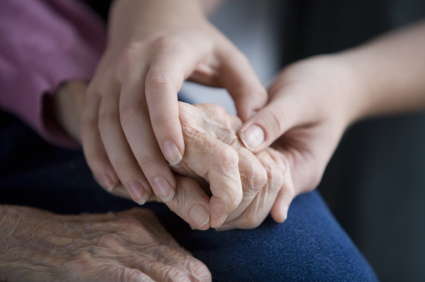 Hospice and palliative care regards dying as a natural process. The goal of hospice and palliative care is to achieve the best possible quality of life through coordinating and/or managing the Plan of Care with goals to: relieve suffering, and control symptoms, and while remaining sensitive to personal, cultural and religious values, beliefs and practices.
Four take aways about hospice and palliative care:
How can you support hospice and palliative care in Florida?
There are numerous ways you can support the mission and services of hospice and palliative care. You could volunteer at a hospice program, donate to a program in your area, donate to FHPCA, or purchase the Hospice Specialty License Plate.
About the Specialty Hospice License Plate:
When you purchase a license plate, $25 a year goes a long way by providing support towards the following:
Florida Hospice & Palliative Care Association (FHPCA) is a not-for-profit, IRS Section 501(c)(3) organization representing hospice patients and families, hospice professionals and hospice providers. FHPCA strives to assure excellence in, and expand access to, hospice and palliative care, and advocates for the needs of those in the final stages of life. One of the ways we are able to accomplish our mission is through the sales of the Specialty Hospice License Plate. Visit HERE for more information or to purchase your plate.
By Paul Ledford, President & CEO, FHPCA
In 2010, Florida Hospice & Palliative Care Association adopted a position in opposition to physician-assisted suicide. It is our commitment to the value of life and to the optimization of the quality of life for all people at the end of life, that keeps us from supporting such legislation in Florida. An appropriate plan of care, commitment of hospice staff and family, and proper documentation of the patient’s care wishes should allow for a dying loved one to receive the end-of-life care needed that allows for dignity, quality, and respect.
We support the advancement of practical tools like the Physician Orders of Life Sustaining Treatment (POLST) and believe this type of physician documentation of a patient’s care wishes is a vital step towards ensuring that a patient’s wishes are honored, and unfortunate situations, such as Barbara Mancini experience with her father, do not occur. Receiving quality end of life care is not just a matter of having the right documents in place, but also about receiving quality care early enough to make a difference. Hospice care can begin when a loved one has a life expectancy of 6 months or less, if the disease runs its normal course. The sooner a patient is enrolled in hospice care after diagnosis, the sooner a terminally ill patient can begin receiving quality palliative, psychosocial, spiritual, and emotional care. This care involves intensive case management, nurse, social worker, chaplain, and CNA visits, assistance from volunteers, and may include a variety of ancillary services that improve quality of life, such a music and other therapies. It is not uncommon for patients to quickly show improvement from the ravages of a disease given the quality of care they are receiving. Research shows that many patients actually live longer and have a better quality of life under hospice care than they would have pursuing aggressive acute care.
We believe that life, no matter in what state, is valuable and hospices in Florida strive everyday to ensure that end of life patients are free from pain and can live their remaining days with dignity surrounded by those they love. Every day is a gift.
Watch 60 Minute’s “Ending Life“
This article is from the US Department of Justice + Drug Enforcement Administration
On September 8th the U. S. Drug Enforcement Administration’s (DEA’s) Final Rule for the Disposal of Controlled Substances, which implements the Secure and Responsible Drug Disposal Act of 2010, was made available online for preview by the Federal Register at https://s3.amazonaws.com/public-inspection.federalregister.gov/2014-20926.pdf. The Act, in an effort to curtail the prescription drug abuse epidemic, authorized DEA to develop and implement regulations that outline methods to transfer unused or unwanted pharmaceutical controlled substances to authorized collectors for the purpose of disposal. The Act also permits long-term-care facilities to do the same on behalf of residents or former residents of their facilities. The Final Rule will be officially published tomorrow and will take effect on October 9.
“These new regulations will expand the public’s options to safely and responsibly dispose of unused or unwanted medications,” said DEA Administrator Leonhart. “The new rules will allow for around-the-clock, simple solutions to this ongoing problem. Now everyone can easily play a part in reducing the availability of these potentially dangerous drugs.”
Prior to the passage of the Act, the Controlled Substances Act made no legal provisions for patients to rid themselves of unwanted pharmaceutical controlled substances except to give them to law enforcement, and banned pharmacies, doctors’ offices, and hospitals from accepting them. Most people flushed their unused drugs down the toilet, threw them in the trash, or kept them in the household medicine cabinet.
Unused medications in homes create a public health and safety concern, because they are highly susceptible to accidental ingestion, theft, misuse, and abuse. Almost twice as many Americans (6.8 million) currently abuse pharmaceutical controlled substances than the number of those using cocaine, hallucinogens, heroin, and inhalants combined, according to the 2012 National Survey on Drug Use and Health. Nearly 110 Americans die every day from drug-related overdoses, and about half of those overdoses are related to opioids, a class of drug that includes prescription painkillers and heroin. More than two-thirds (70 percent) of people who misuse prescription painkillers for the first time report obtaining the drugs from friends or relatives, including from the home medicine cabinet.
As a temporary measure, DEA began hosting National Prescription Drug Take-Back events in September 2010. Since then, the DEA has sponsored eight take-back days. Enormous public participation in those events resulted in the collection of more than 4.1 million pounds (over 2,100 tons) of medication at over 6,000 sites manned by law enforcement partners throughout all 50 states, the District of Columbia, and several U.S. territories.
“Every day, I hear from another parent who has tragically lost a son or daughter to an opioid overdose. No words can lessen their pain,” said Michael Botticelli, Acting Director of National Drug Control Policy. “But we can take decisive action, like the one we’re announcing today, to prevent more lives from being cut short far too soon. We know that if we remove unused painkillers from the home, we can prevent misuse and dependence from ever taking hold. These regulations will create critical new avenues for addictive prescription drugs to leave the home and be disposed of in a safe, environmentally friendly way.”
At this time, DEA has no plans to sponsor more nationwide Take-Back Days in order to give authorized collectors the opportunity to provide this valuable service to their communities.
DEA’s goal in implementing the Act is to expand the options available to safely and securely dispose of potentially dangerous prescription medications on a routine basis.
Read the Final Rule and get more information HERE.